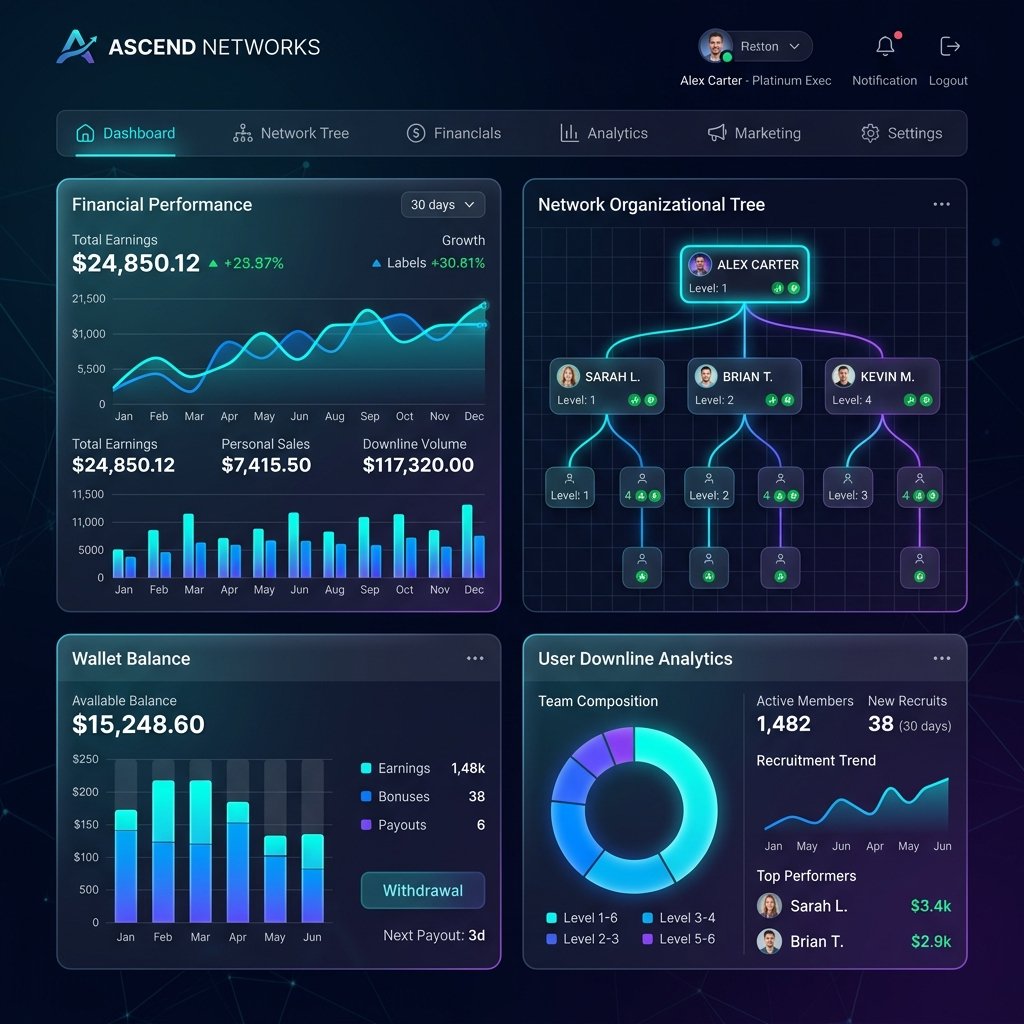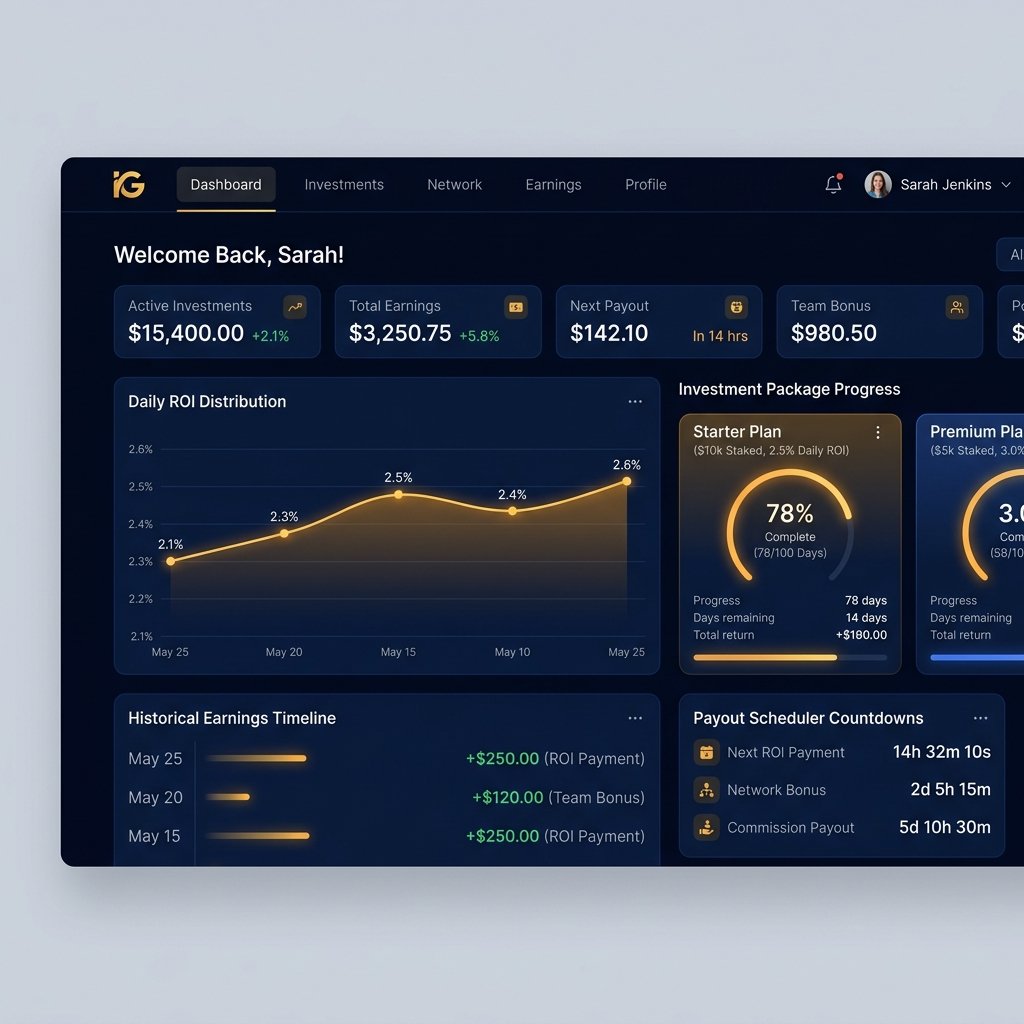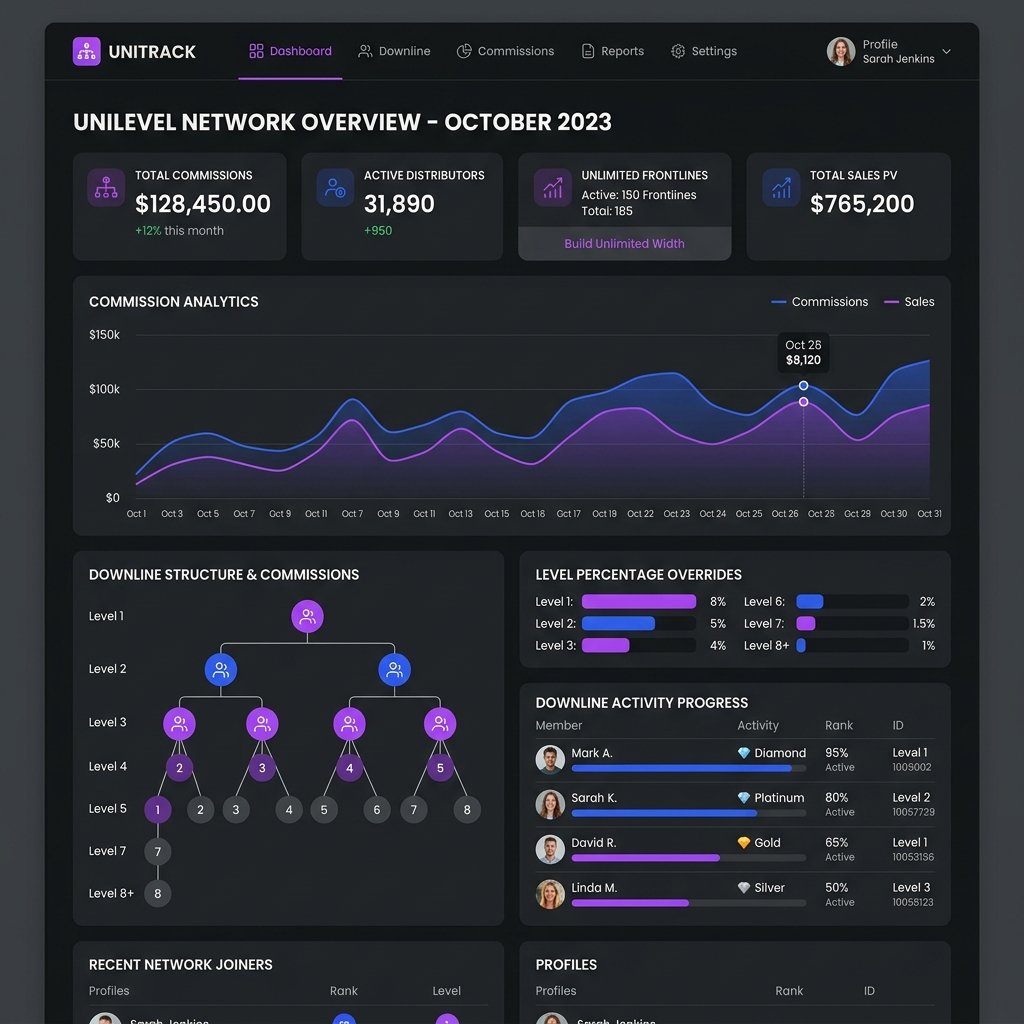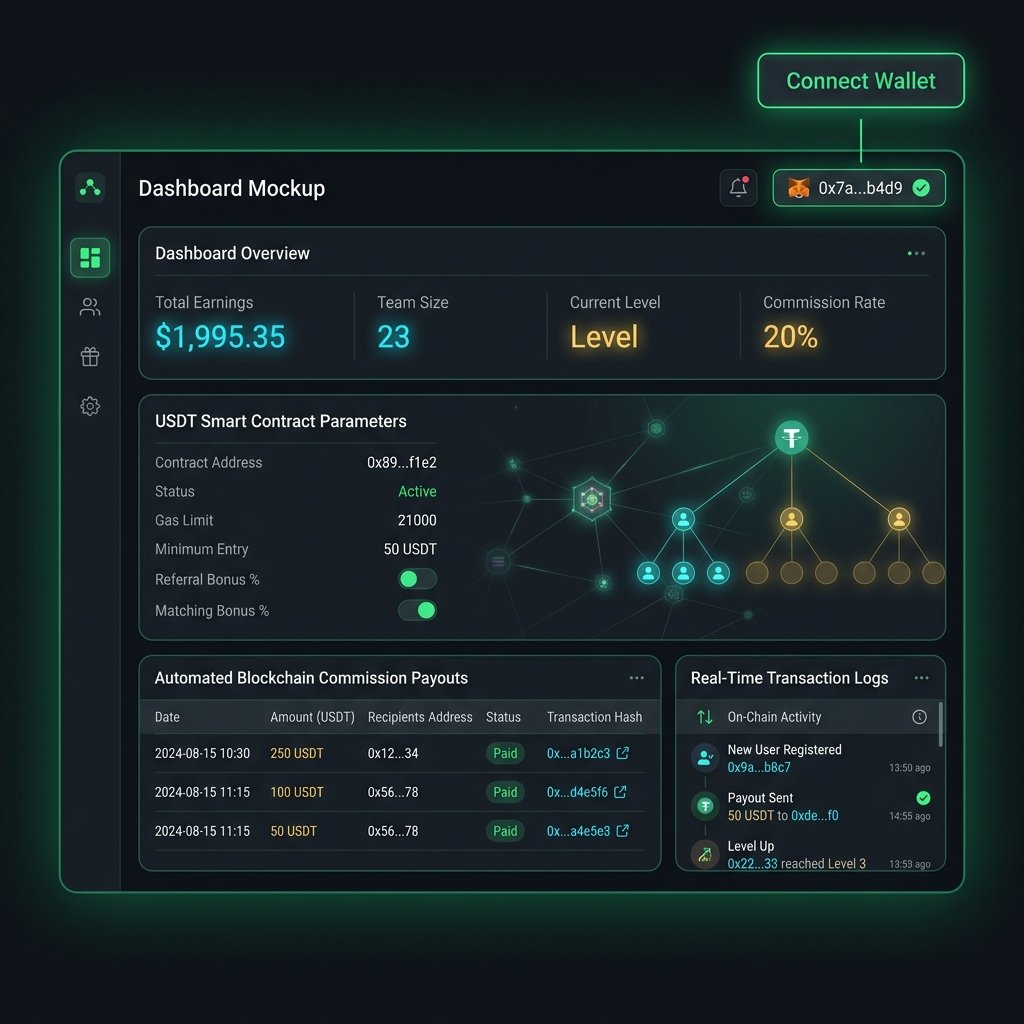
Operating a network marketing brand in India requires strict adherence to the Consumer Protection (Direct Selling) Rules. State departments actively monitor platforms to identify and close illegal money circulation matrices disguised as direct sales. Understanding these guidelines is essential for corporate survival.
Key Takeaways
- ✓ Compliance rules strictly ban money circulation disguised as product sales.
- ✓ Mandatory dispute redressal setups must be accessible on company portals.
- ✓ Cooling-off options must be provided to distributors for inventory returns.
- ✓ Automated invoices must document clean GST/TDS tax deductions.
1. The Ban on Pyramid & Money Circulation Schemes
Regulations clearly define and ban pyramid schemes. If a platform's primary income is derived from registration fees, member renewals, or mandatory purchase packages (without actual consumer utility), it is categorized as an illegal scheme. Legitimate platforms must focus commissions strictly on product volumes.
Need MLM Software Development?
Talk to our direct selling architects to build a secure, high-concurrency MLM system tailored for your compensation plan.
2. Mandatory Refunds and cooling-off Periods
All direct selling companies must offer direct sellers a "cooling-off period" to return products for a refund if they choose to exit the business, along with clear consumer dispute redressal panels on their web portals.
Compliant vs Banned Direct Selling Practices
- Cooling-off refund windows
- Auto-calculated TDS deductions
- Mandatory buy-in kits
- Non-refundable network entry
Adv. Rohit Sen
LinkedIn ProfileDirect Selling Systems Architect & Software Engineer
Expert in high-concurrency database locking, double-entry financial ledgers, auto-spillover placement logic, and blockchain Web3 smart contract audits with over 8+ years of custom MLM development experience across India.